
Does Alcohol Thin Your Blood? Short- and Long-Term Effects
The way in which alcohol consumption has been measured and categorized varies, sometimes making it challenging to compare data among studies. More studies today report alcohol consumption in terms of either “drinks” or grams/units of ethanol per day or week, and alcohol consumption is measured by self-report. Most investigators also define the amount of alcohol that constitutes a “standard” drink as 12 to 15 g (with only slight variation). This antioxidant may reduce harmful cholesterol levels and minimize the risk of blood clots. Always ask your doctor if it’s safe for you to consume alcohol while taking blood thinners. If you must drink alcohol while taking blood thinners, do so in moderation.
- Blood vessels reach every organ and tissue in the body, indicating that the blood and the integrity of the blood vessels are essential to maintaining the body’s health and functioning.
- Alcohol consumption can also have an impact on the effectiveness of certain blood thinners.
- Heavy drinking is connected to illnesses that lead to poor health, including heart conditions.
- When you cut yourself or experience an injury, platelets help to form a plug at the site of the injury to stop the bleeding.
- Thus, the cells frequently remain at their normal locations in the tissues rather than migrate to the sites of infections.
Brain
- On the minus side, drinking too much can lead to strokes from blood clots breaking off and traveling to the brain, hemorrhagic (bleeding) strokes, high blood pressure, and even heart attacks.
- If you are taking blood thinners or have concerns about alcohol consumption and its potential interaction with your medication, it is crucial to consult with a healthcare provider for personalized advice.
- If you don’t have major health issues, you may be able to drink lightly to moderately with your doctor’s permission.
- Chronic ingestion of large quantities of alcohol alters many physiological and biological processes and compounds, including several blood-related (i.e., hematological) variables.
Alcohol consumption can elevate INR levels, indicating a higher risk of bleeding. Maintaining a stable INR is crucial for the safe and effective use of warfarin. For individuals taking warfarin, an international normalized ratio (INR) test measures the blood’s clotting time. About 30 grams of alcohol — equating to two standard drinks — can lower fibrinogen levels, which can affect blood clotting. The CDC publishes that excessive drinking contributed to around 90,000 deaths and shortened lifespan of an average of 30 years for those who died from alcohol consumption-related issues between 2006 and 2010. Drinking too much and too often can cause a plethora of negative health consequences.
Oxidative Stress
Several reports indicate that alcohol first exerts a seemingly positive effect, followed by a more negative impact (i.e., it is biphasic) on the endothelial–nitric oxide–generating system. Endothelial dysfunction is an early indicator of blood vessel damage and atherosclerosis, as well as a strong prognostic factor for future CV events (Deanfield et al. 2007; Ras et al. 2013). Low-to-moderate levels of alcohol consumption may initially improve endothelial function, whereas high daily levels and binge drinking does alcohol thin blood may impair it. Antioxidants, called polyphenols, may help protect the lining of blood vessels in the heart. Drinking a glass or two of non-alcoholic red wine may reduce your risk for heart disease.
Alcohol’s Effects on Blood Pressure and Incident Hypertension
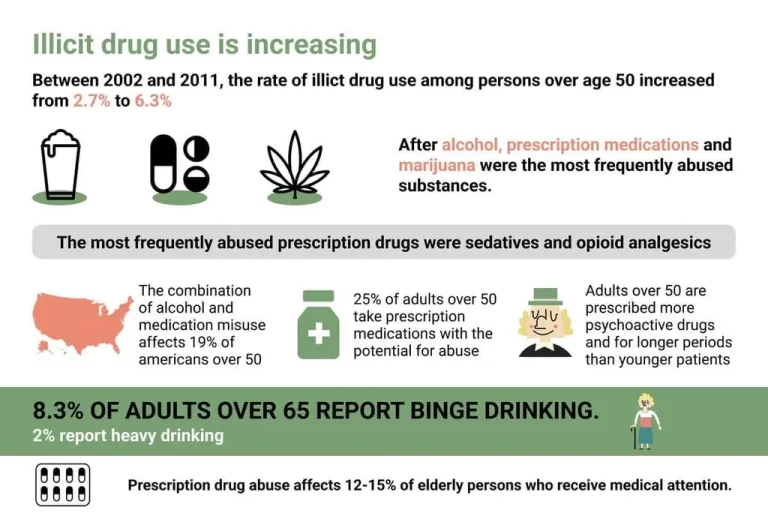
- 25.8% of people classified their recent consumption habits as binge drinking (excessive drinking in a defined amount of time).
- In low to moderate alcohol consumption, antioxidants may provide some cardiovascular benefits.
- Additionally, excessive alcohol consumption can cause liver damage, which can further impact the metabolism and clearance of blood thinners from the body.
- People taking blood thinners are cautioned against drinking alcohol, but research has found that it is generally safe when done so infrequently and in moderation.
Blood thinners such as warfarin, rivaroxaban, or apixaban are frequently prescribed to reduce the risk of conditions such as stroke or heart attack. When alcohol is added to the mix, the anticoagulant effects are heightened, Alcoholics Anonymous potentially leading to excessive bleeding. This interaction emphasizes the importance of blood thinner users being mindful of their alcohol consumption and consulting with their healthcare providers to ensure the safe and effective management of their health conditions. It is critical to strike a balance that reduces risks while also promoting overall well-being. Research suggests that in low to moderate amounts, alcohol may have blood-thinning effects due to it reducing platelet function. However, higher amounts of alcohol consumption may have the opposite effect and increase the risk of blood clotting.
- Although MAO acts primarily in the brain, platelets also contain the enzyme.
- Because of space limitations, not all of the excellent scientific work on alcohol and the cardiovascular system could be assessed in this review.
- Heavier drinking (binge drinking) can also bring on a first episode of arrhythmia; once this has happened for the first time, you’re at an increased risk in the future.
- Both high blood pressure and heart disease risk are increased in people who use the substance in excess for an extended period.
- The autophagy pathway also is rapidly upregulated during ATP depletion, mitochondrial dysfunction, and oxidative stress.
Alcohol might also slow down the rate at which your body breaks down and removes the blood-thinning drug. Sign up to our fortnightly Heart Matters newsletter to receive healthy recipes, new activity ideas, and expert tips for managing your health. Even a small amount can affect important functions like speech and movement. Drinking very large amounts all at once can slow your heart rate and breathing down to a dangerously low level. In general, alcohol can thin the blood for a few hours after it is consumed. Find a brighter tomorrow by starting with our compassionate team of medical professionals and recovery specialists today.

Stomatocytes have a shortened life span because they become trapped in the small capillaries of the spleen and are subsequently destroyed. In healthy people, stomatocytes account for less than 5 percent of the RBC’s, whereas their number can be significantly higher in alcoholics. In fact, more than 25 percent of alcoholics exhibit an increased proportion of stomatocytes in the blood (i.e., stomatocytosis).