
Maximize Your Success The Essential Guide to Forex Trading Journals
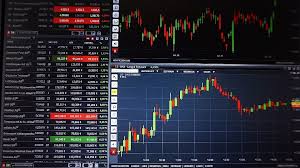
Maximize Your Success: The Essential Guide to Forex Trading Journals
In the fast-paced world of foreign exchange trading, keeping a detailed forex trading journal MetaTrader5 Trading journal can be the difference between success and failure. A trading journal allows traders to track their performance, analyze their trades, and develop better strategies based on real data. This article will explore the key elements of a Forex trading journal, the benefits of maintaining one, and tips on how to get started.
What is a Forex Trading Journal?
A Forex trading journal is a systematic record of all your trading activities. It serves as a valuable tool for both novice and experienced traders by providing insights into trading patterns, decision-making processes, and overall performance. By maintaining this journal, traders can assess what strategies work best over time and identify areas that need improvement.
The Importance of Keeping a Trading Journal
1. Performance Tracking: A trading journal enables you to monitor your performance over time. By recording your trades, including entry and exit points, reasons for entering the trade, and outcomes, you can evaluate your success rate.
2. Identifying Patterns: Over time, analyzing your journal can reveal patterns in your trading behavior. You may notice that you perform better during specific market conditions or that certain strategies yield better results. Identifying these trends can help refine your strategy.
3. Emotional Awareness: Trading can be an emotional rollercoaster. A journal allows you to record your emotional state during trades, helping you identify how emotions like fear, greed, and overconfidence influence your decisions.
4. Skill Development: Consistent reflection based on journal entries fosters continuous improvement. You can learn from mistakes and successes, solidifying your trading skills over time.
Essential Components of a Forex Trading Journal
To build a comprehensive Forex trading journal, consider including the following components:
1. Trade Details
For each trade, log crucial details such as:
- Currency pairs traded
- Entry and exit points
- Trade size
- Trade direction (buy/sell)
2. Trade Rationale
Document why you entered the trade. Was it based on technical analysis, fundamental analysis, or personal intuition? Understanding the reasoning behind your trades can greatly enhance your learning.
3. Performance Metrics
Track various performance metrics for your trades, which may include:

- Profit or loss
- Win/loss ratio
- Risk-to-reward ratio
- Percentage of capital gained or lost
4. Reflections and Lessons Learned
After each trade, dedicate some space to reflect on what went well and what didn’t. Did you adhere to your trading plan? Were there any external factors that influenced your decision? This reflection can provide invaluable insights.
Setting Up Your Forex Trading Journal
Setting up a Forex trading journal can be as simple or complex as you wish. Here are some methods to consider:
1. Traditional Notebook
Sometimes, the classic way of journaling can be the most effective. A physical notebook allows you to write freely, which can enhance the reflective process.
2. Spreadsheet
If you prefer a more structured format, a spreadsheet can be a powerful tool. You can easily sort and analyze your data. Use formulas to calculate performance metrics automatically.
3. Dedicated Apps
Several applications are designed specifically for tracking trades. These often include built-in analytics, making it easier to visualize your performance over time. Research different options and find one that suits your needs.
Tips for Maintaining Your Trading Journal
Maintaining your trading journal requires discipline and consistency. Here are some tips to keep your journal effective:
1. Be Consistent
Make it a habit to record your trades immediately after executing them. This ensures that details are fresh in your mind and reduces the chance of forgetting key information.
2. Review Regularly
Set aside time each week or month to review your journal entries. This will help reinforce your learning and highlight areas for improvement. Make adjustments to your trading strategy based on your findings.
3. Be Honest
It’s crucial to be honest with yourself in your journal. Acknowledge your mistakes as well as your successes. This honesty will lead to better learning and growth.
Conclusion
In conclusion, maintaining a Forex trading journal is an essential practice for traders seeking to enhance their skills and improve their performance. By diligently tracking trades, analyzing results, and reflecting on strategies, you can gain valuable insights that contribute to your success. Whether you choose a traditional notebook, a digital spreadsheet, or a specialized app, the key is to remain committed to the process. Ultimately, a trading journal can transform your trading experience from one of uncertainty to one of informed decision-making and consistent profitability.